Projects
HOUGHTON MIFFLIN HARCOURT · 2018
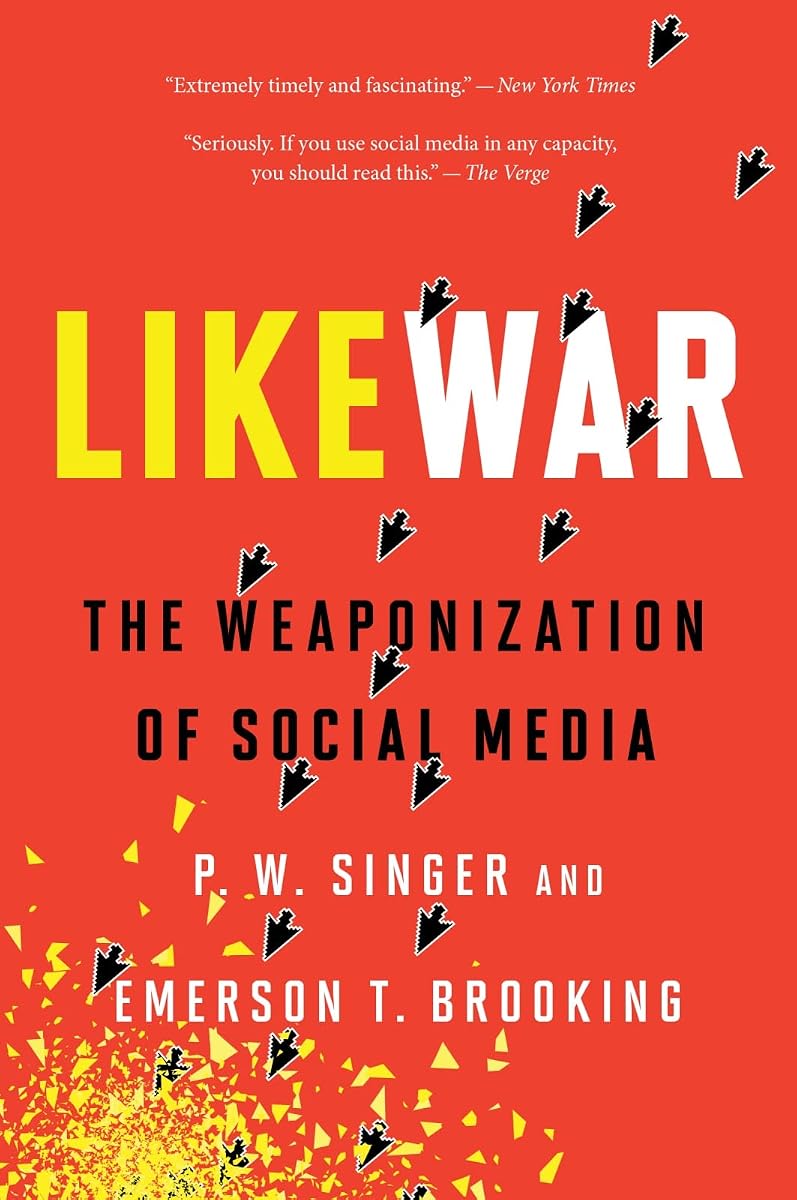
LikeWar
The Weaponization of Social Media
How social media changed war and politics — and how war and politics changed social media. LikeWar follows the weaponization of online attention from ISIS’s viral conquest of Mosul through Russia’s operation against the 2016 election, and sets out the rules of a battlefield where virality beats veracity.
“Not a warning about tomorrow's war — it's a map for those who don't understand how the battlefield has already changed.” — THE WASHINGTON POST
“Extremely timely and fascinating — reading it in bed with my husband, I kept pulling him away from his book to show him passages.” — THE NEW YORK TIMES BOOK REVIEW
“The issue can’t be summed up in a tweet, but a good reference for the troubled relationship between politics and social media is P.W. Singer and Emerson Brooking’s book… Entertaining read too.” — SETH MACFARLANE
HONORS
- AMAZON AND FOREIGN AFFAIRS BEST BOOK OF 2018
- CYBERSECURITY CANON HALL OF FAME, 2021
- USMC COMMANDANT’S READING LIST 2020
- US ARMY CHIEF OF STAFF’S READING LIST
- RAF CHIEF OF THE AIR STAFF’S READING LIST 2019–20
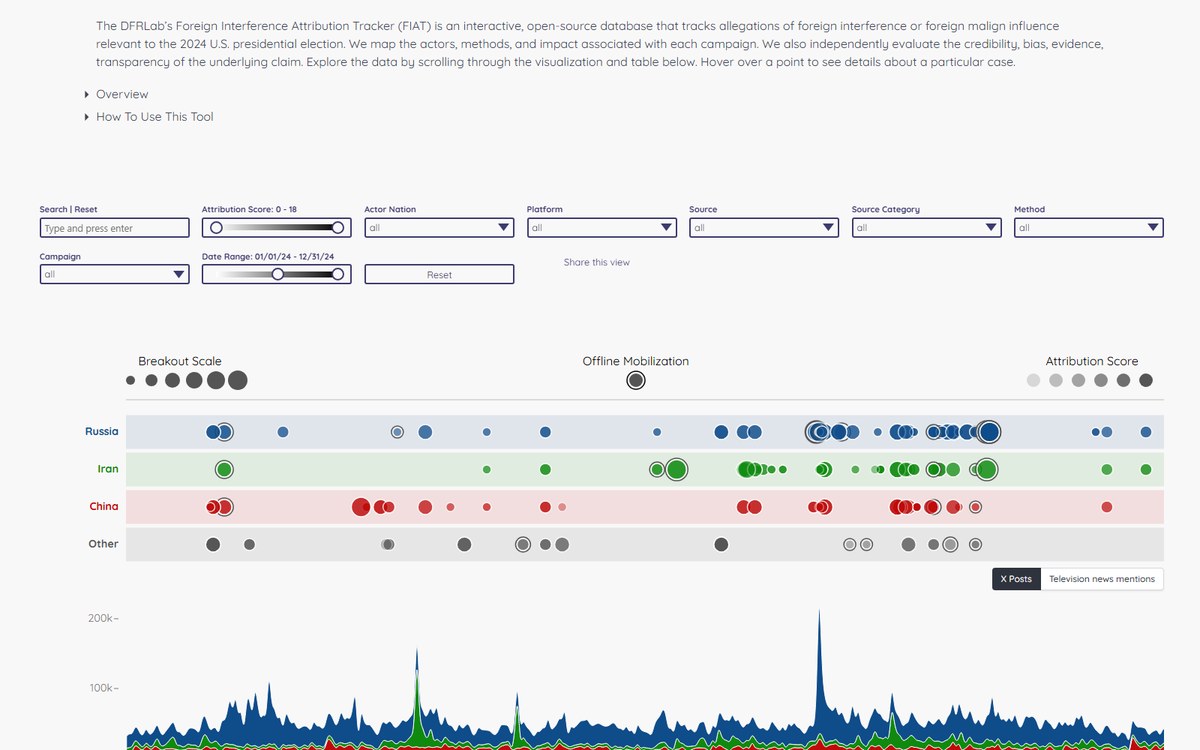
Foreign Interference Attribution Tracker (FIAT) 2024
OCT 2024
An open-source database cataloging allegations of foreign interference in the 2024 U.S. election, tracking claims involving Russia, Iran, and China across major platforms. Each entry is scored against an 18-point attribution framework and DFRLab’s six-category Breakout Scale for reach and impact.
Distortion by Design
DEC 2023
How platform design shaped the first days of the Israel-Hamas war. Hamas’s al-Qassam Brigades posted 6,000 Telegram messages in 72 hours as its subscriber base grew 50 percent; Telegram, X, Meta, and TikTok each produced a distinct, distorted version of the conflict.
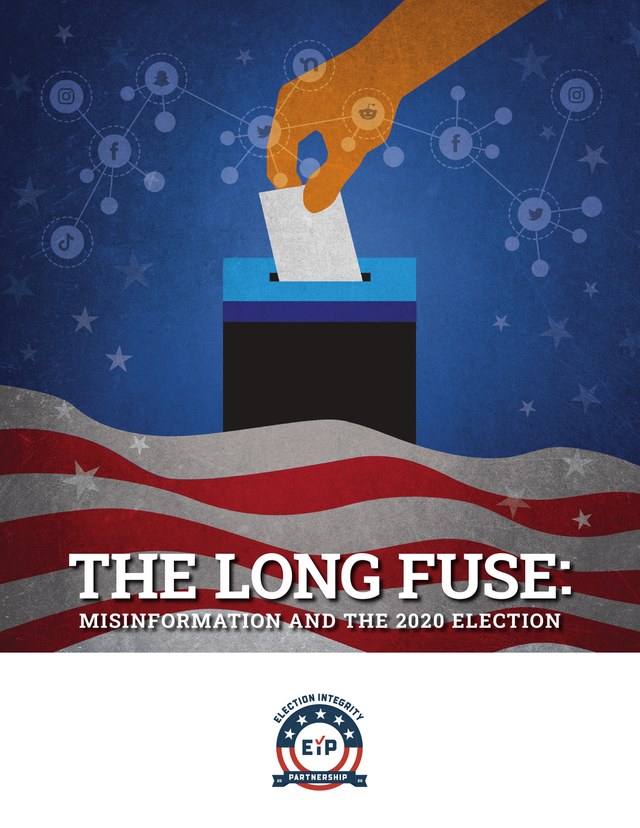
The Long Fuse: Misinformation and the 2020 Election
MAR 2021
The Election Integrity Partnership’s flagship report on misinformation and the 2020 election, drawing on 859 million collected tweets and 639 incident tickets to trace how the “stolen election” meta-narrative built toward January 6. Brooking co-led DFRLab’s contributing team, one of the partnership’s four institutions.
#StopTheSteal: Timeline of Social Media and Extremist Activities Leading to 1/6 Insurrection
FEB 2021
A DFRLab timeline tracing the “Stop the Steal” movement from its 2016 origins under Roger Stone to the January 6 Capitol attack: how false claims of a stolen 2020 election, amplified by Donald Trump, converged with hyperpartisan media, the Proud Boys, Three Percenters, QAnon, and the Boogaloo Bois. Written by Jared Holt and edited by a DFRLab team including Brooking.
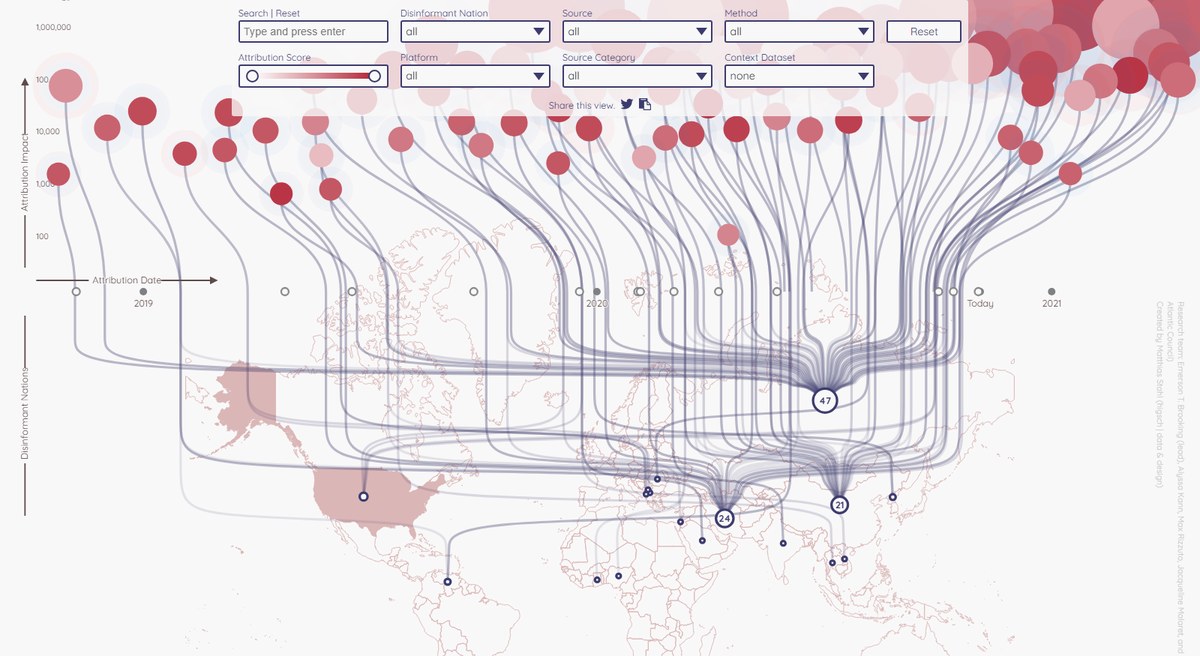
Foreign Interference Attribution Tracker (FIAT) 2020
SEP 2020
The first FIAT: an interactive, open-source database cataloging allegations of foreign interference in the 2020 U.S. presidential election. Each claim ran through a six-part assessment of its credibility, bias, and evidentiary basis, letting contradictory attributions be weighed side by side.
DFRLAB · ARCHIVED
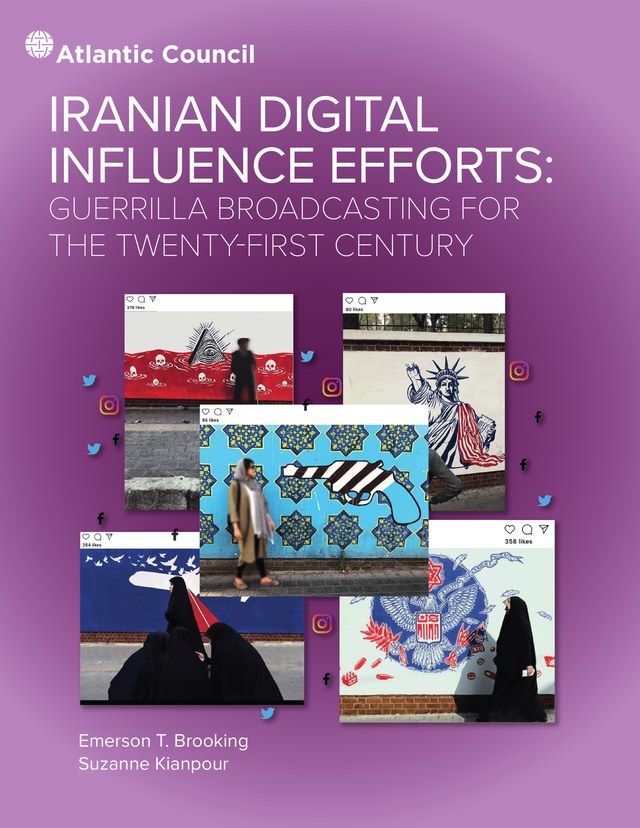
Iranian Digital Influence Efforts: Guerrilla Broadcasting for the Twenty-First Century
FEB 2020
How Iran built a digital influence apparatus atop the IRIB’s $750 million broadcasting empire: by January 2020, platforms had attributed 766 Facebook pages with 5.4 million followers and 7,896 Twitter accounts pushing 8.5 million messages to Tehran.
Dichotomies of Disinformation
FEB 2020
A classification framework comparing 60 political disinformation campaigns across 150 variables spanning target, platform, content, method, and intent. Facebook hosted the most cases; Russian campaigns ran nearly three times the 2.5-year average.
Mending the Broken Dialogue
DEC 2016
Presidents expect fast, iterative options; the military delivers fully staffed plans on a slower clock. This CFR report addresses the mismatch with six fixes, from terminology training to clearer lines between formal orders and informal requests.
Finding Efficiencies in the Business of Defense: Reducing Fuel Cost for the Defense Logistics Agency
2014
A review of Defense Logistics Agency fuel procurement, covering market engagement, governance structure, and final product distribution. Assesses previously proposed reforms and recommends new ones, drawn from consultation with petroleum industry leaders.
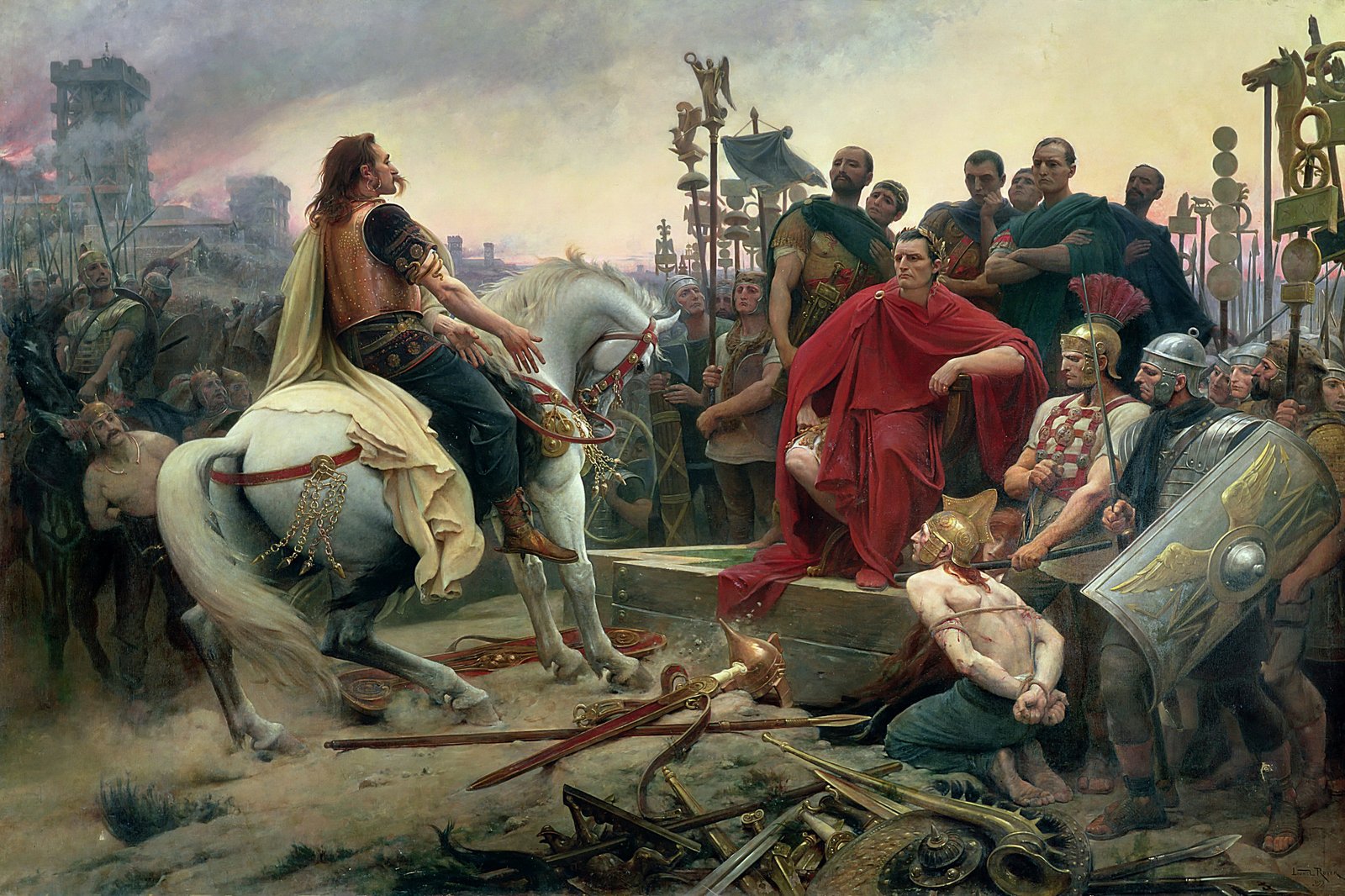
Roma Surrecta: Portrait of a Counterinsurgent Power, 216 BC – AD 72
MAY 2011
An evaluation of Roman anti-revolt strategy, 216 BC to AD 72, read through the lens of contemporary counterinsurgency theory. Roman history, economy, values, force disposition, and acculturation practices are weighed in turn, supported by fourteen case studies.